Updated: May 2026
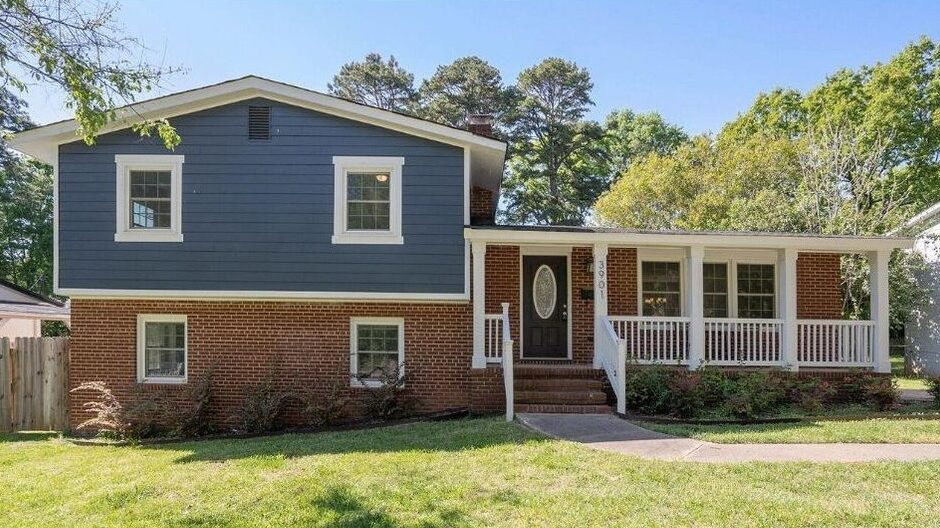
A split level house is a home with staggered floor levels connected by short flights of stairs — typically half-flights of 4–8 steps rather than a full staircase. The defining feature is the entry: when you walk through the front door of a split level home, you arrive at a mid-point landing between floors, with a short stair going up to the main living areas and a short stair going down to the lower level. There is no full floor at the entry point — just a landing connecting three distinct levels.
I bought a 1960s split level in 2016 and spent years renovating it. Everything on this site comes from real experience owning and modernizing one of these homes. This is the most complete guide to split level homes on the internet.
What Is a Split Level House? (Definition)
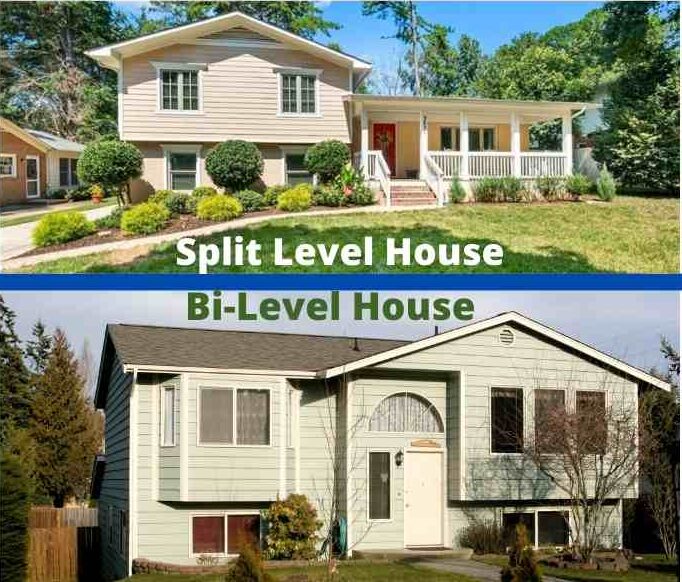
A split level house is defined by three characteristics:
- Staggered floors — the home has three or more living levels, each offset from the others by a half-flight of stairs rather than a full staircase
- Mid-point entry — the front door opens to a landing between floors, not directly into a full living level
- Defined zone separation — sleeping, living, and utility areas are each on their own floor, separated by short stair runs
The typical split level floor plan has three levels:
- Upper level: Bedrooms and bathrooms. The quietest, most private floor in the home.
- Main level: Kitchen, living room, and dining room. The primary social and entertaining space.
- Lower level (den): Family room, bonus room, laundry, garage access, and utility space. Typically built on a concrete slab and partially below grade.
What Is the Purpose of a Split Level House?
The split level design was created to solve a specific postwar problem: growing families needed more square footage, but suburban lot sizes weren’t increasing. The split level home delivered maximum square footage on a compact footprint by stacking floors vertically rather than expanding horizontally.
Beyond square footage, the staggered design creates natural zone separation that a single-story ranch cannot achieve. Sleeping areas are acoustically separated from living areas. The lower level can function independently — a bonus room, home office, or separate living unit with its own private entrance.
The design also made split levels ideal for sloped lots. Rather than requiring extensive site grading, the staggered floors could follow the natural grade of a hillside — making split levels the most economical choice on lots where a ranch or colonial would require significant earthmoving.

Giveaways, Ebook, and Forum coming soon. Be the first to know about new content!
4 Common Characteristics of Split Level Homes
- Short stair flights: Half-flights of 4–8 steps — not full staircases of 12–14 steps. You’ll see two short flights at the entry: one going up, one going down.
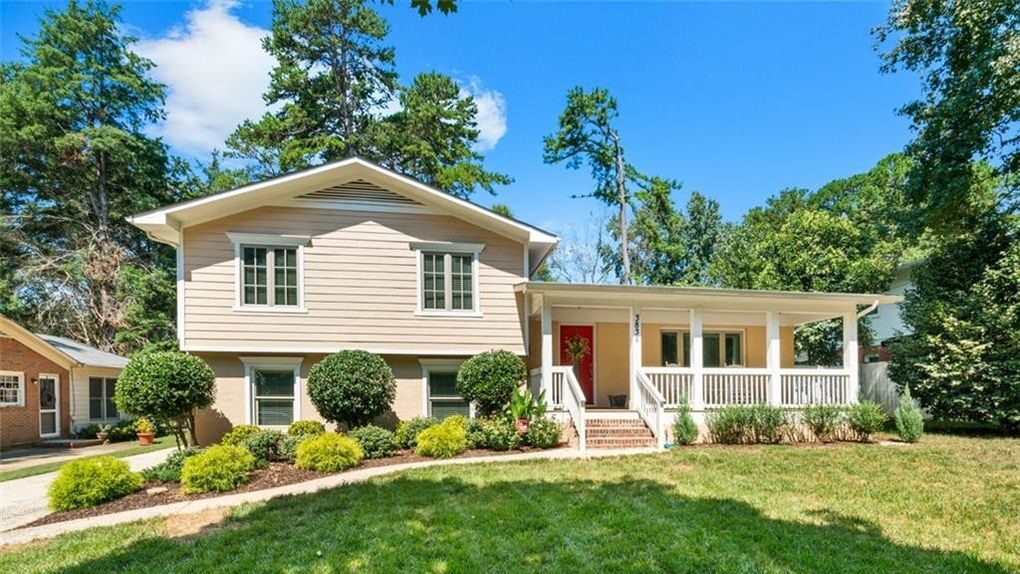
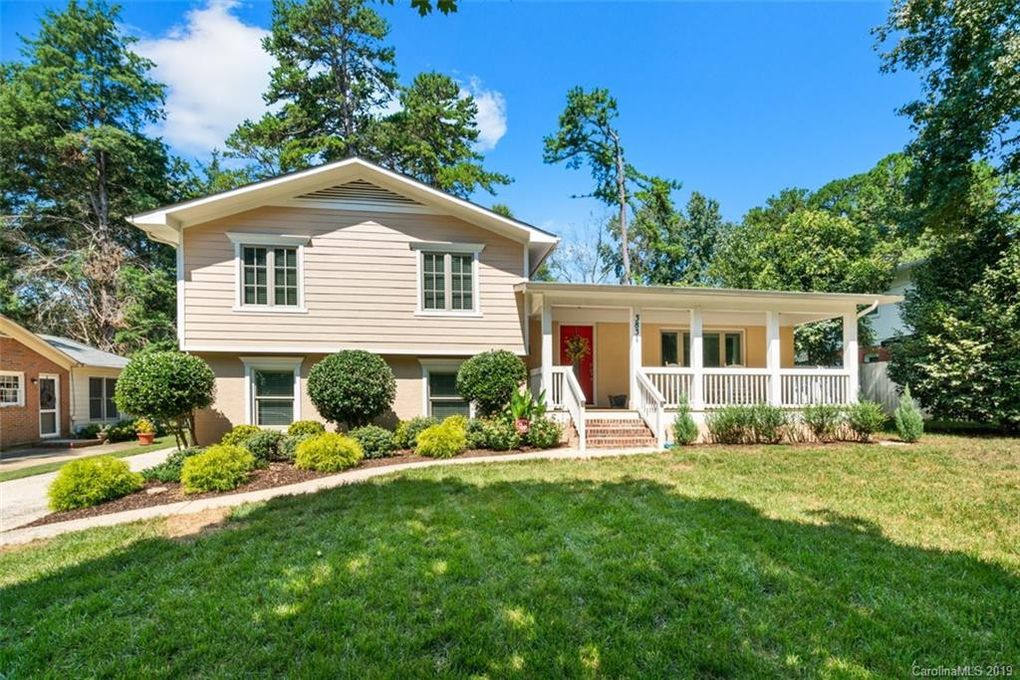
- Low-pitched roof: The step in the roofline from the street corresponds directly to the step in the floors. It’s the quickest visual identifier of a split level from the outside.
- Partially above-grade lower level: Unlike a true basement, the lower level sits partially above grade with real windows and natural light — a significant advantage over a bi-level lower floor.
- Attached garage at lower level: Almost universally, split level homes have an attached garage entering from the lower level at the lowest grade point of the home.
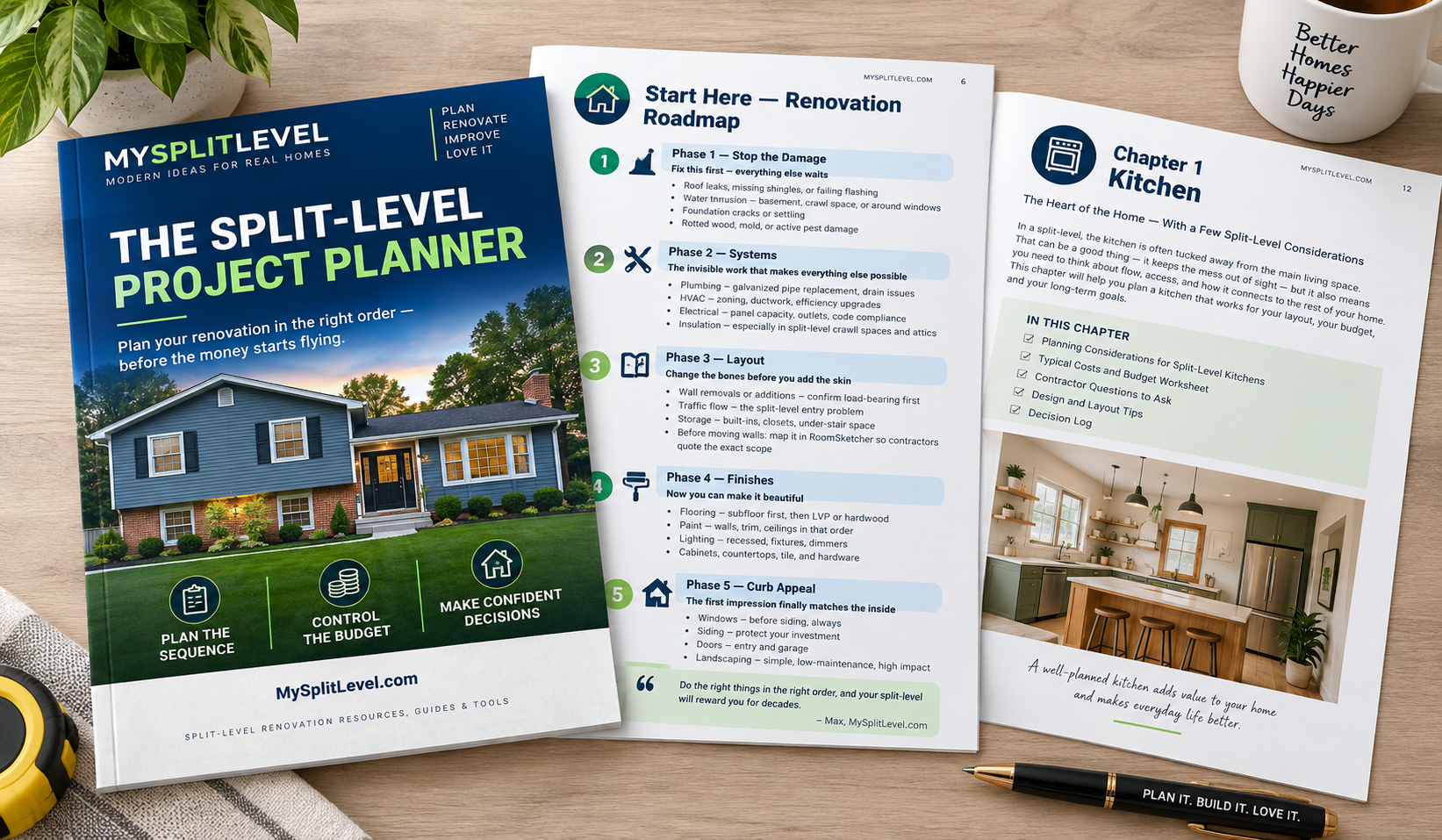
Planning a split-level renovation? I put everything I learned into one system — a room-by-room roadmap, real budget worksheets, and a contractor bid comparison tool. Built from my own renovation, not generic advice.
The 5 Types of Split Level Homes
1. Standard Split (Most Common)
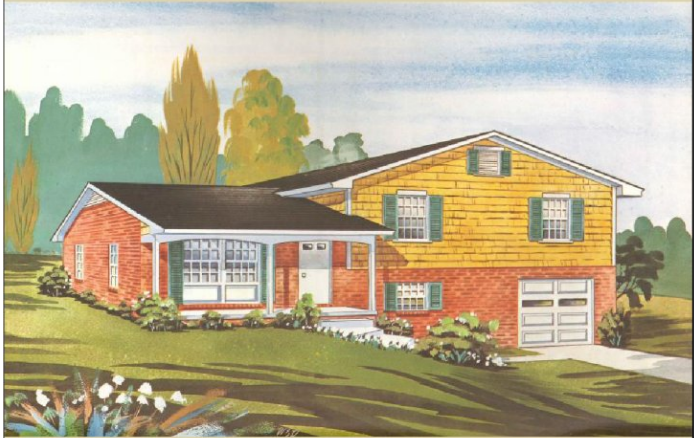
The classic three-level layout. Entry at mid-level, short stair up to the kitchen and living room, short stair down to the den. This is what most people picture when they hear “split level home” and represents the vast majority built in American suburbs between 1950 and 1980.
2. Side Split
Appears as a single-story ranch from the front but reveals multiple levels when viewed from the side. Living areas and sleeping areas are on different levels, but the split is horizontal rather than front-to-back. Common in areas with moderate side slopes.
3. Back Split
Looks completely like a standard bungalow or ranch from the front — the multiple levels are only apparent from the rear. Back splits are frequently misidentified on real estate listings, which often makes them underpriced relative to their actual square footage.
4. Split Foyer (Split Entry)
Has two levels entered through a foyer with stairs going up and stairs going down — no functional middle level. This design is very close to a bi-level. The distinguishing feature is that a split foyer has a small landing or foyer space at entry, while a true bi-level goes directly to stairs with no usable space.
5. Stacked Split (Tri-Level)
Four or more distinct levels stacked vertically. Less common than standard splits but found in areas with especially constrained lot sizes. Sometimes marketed as “quad-level” or “tri-level” homes.
A Brief History of Split Level Homes
Split level homes first appeared in Chicago in the 1930s and were featured in Sears & Roebuck’s 1935 Modern Homes catalog. They rose to mass popularity during the postwar suburban boom of the late 1940s and 1950s as returning veterans started families and moved to newly developed suburban neighborhoods.
The design peak was roughly 1955–1975. During that period, an estimated 7–10 million split level homes were built across the United States. They were particularly popular in the Northeast and Midwest, where postwar suburban development was most concentrated.
The decline came in the 1980s as open-concept floor plans became dominant. The compartmentalized, level-separated layout fell out of fashion — and that fall from fashion is exactly what makes split levels compelling today. They’re priced below comparable square footage in the same established neighborhoods, with solid postwar construction and significant renovation potential.
Where Are Split Level Homes Most Common in the US?
- Northeast: New Jersey, Connecticut, New York suburbs, Massachusetts — among the highest concentrations in the country due to rapid postwar suburban expansion.
- Midwest: Ohio, Michigan, Illinois, Pennsylvania — common in established suburban rings around Chicago, Cleveland, Detroit, and Columbus.
- Mid-Atlantic: Maryland, Virginia suburbs of DC, Delaware — high concentration in neighborhoods developed in the 1950s–70s.
- West Coast: Present in California suburban areas developed during the same postwar period, and in suburban Portland and Seattle. Less common than in the Northeast and Midwest.
If you’re house hunting in an established neighborhood with mature trees and lots that are a quarter-acre or larger, you are almost certainly in split level territory.
What Is a Bi-Level House? (And How Is It Different?)
A bi-level house — also called a raised ranch or split entry home — is the style most commonly confused with a split level. Here is the clearest way to understand the difference:
When you walk through the front door of a split level home, you step into a landing with usable space. Short stairs go up to one level and down to another.
When you walk through the front door of a bi-level home, you are immediately at a staircase with no usable floor space at the entry level. You must go up a full flight to reach the main living floor or down a full flight to the lower level. There is no mid-point landing to stand in — just stairs.
A bi-level is essentially a ranch home that has been lifted off the ground, with the space below grade finished into a second floor. This is why bi-levels are also called “raised ranches” — they’re a ranch layout elevated above a finished lower level.
Split Level vs Bi-Level: Key Differences
Entry experience: Split level has a landing with usable space and short stairs up and down. Bi-level has stairs immediately at the front door with no usable entry space.
Number of levels: Split level has 3 or more. Bi-level has 2.
Stair type: Split level has multiple short half-flights. Bi-level has one full staircase from entry.
Main living floor position: Split level is a half-flight above entry. Bi-level is a full flight above entry.
Lower level natural light: Split level has more windows, sits higher above grade. Bi-level has less natural light, sits mostly below grade.
Typical bedrooms: Split level has 3–4 on the upper level. Bi-level has 2–3 on the upper floor.
Garage: Split level has an attached garage at the lower level. Bi-level can have an attached or separate garage.
Lot suitability: Split level is excellent for sloped lots. Bi-level works better on flat or gently sloped lots.
Purchase price: Split level is slightly higher. Bi-level is typically lower.
The simplest way to tell them apart when house hunting: stand at the front door. If you can see a landing area or small foyer before the stairs begin, it’s likely a split level. If the stairs start immediately inside the door with no usable space at entry level, it’s likely a bi-level.
Split Level vs Raised Ranch: Are They the Same Thing?
“Raised ranch” is a regional term — used primarily in the Northeast and Mid-Atlantic United States — for what most of the country calls a bi-level home. A raised ranch and a bi-level are effectively the same floor plan.
The quickest way to remember the distinction: a raised ranch requires you to climb a full flight of stairs to reach the main living floor. A split level only requires a half-flight. If you’re counting stairs from the front door to the kitchen, seven or fewer steps means split level. Twelve or more means raised ranch or bi-level.
Split Level vs Two-Story House: What’s the Difference?
A two-story house has two full floors connected by a single full staircase. The entry is on the ground floor, which contains all the main living areas. A full staircase leads to the second floor, which contains all the bedrooms.
A split level has three or more staggered levels connected by multiple short stair runs. The entry is between floors, not on a full floor. No single level contains both the primary living spaces and the bedrooms.
- Stair count: Two-story homes have one long staircase (12–14 steps). Split levels have multiple short flights (4–8 steps each). Total climbing is similar but distributed throughout the day.
- Floor plan: Two-story homes have two full floors. Split levels have three partial floors. Two-story homes typically have more contiguous square footage on each level.
- Cost to build: Split levels were historically cheaper to build because the staggered floors required less foundation work on sloped lots.
- Renovation complexity: Split levels are more complex to renovate due to the staggered levels and the structural relationships between floors. See the complete split level modernization guide.
Split Level Home Pros and Cons
Pros of Split Level Homes
- Zone separation: Sleeping areas are acoustically separated from living areas by a full stair run. Kids can have their own floor. A lower level with a private entrance is a natural short-term rental unit.
- Maximum square footage per dollar: Split levels are consistently priced below comparable square footage in the same neighborhoods because they’re considered dated. This is the opportunity.
- Great for sloped lots: The staggered design follows natural grade without requiring expensive site grading.
- Lower level natural light: The lower level of a split level has more natural light than a finished basement or bi-level lower floor because it sits higher above grade.
- House hacking potential: The lower level typically has its own exterior entrance, making it a natural Airbnb unit or separate rental space. This is the most underappreciated advantage of split level ownership.
- Established neighborhoods: Split levels are concentrated in older suburban neighborhoods with mature landscaping, good schools, and proximity to city centers.
Cons of Split Level Homes
- Stairs throughout: Every transition between living zones requires stair climbing. Not suitable for elderly residents or anyone with limited mobility.
- Dated interiors: Most unrenovated split levels still have their original 1970s layouts — closed-off kitchen, dark den, dated finishes throughout. Fixable, but requires investment.
- HVAC challenges: Heating and cooling three staggered levels is harder than conditioning a standard two-story home. The lower level runs cooler; the upper level runs warmer.
- Limited storage: The roofline configuration limits attic access. Built-in storage throughout is minimal by modern standards.
- Smaller buyer pool at resale: Split levels appeal to a specific buyer who understands the value. Uninitiated buyers see stairs and a dated exterior and move on.
Are Split Level Homes a Good Investment in 2026?
Yes — with the right approach. Here’s the honest investment case:
The buy-low opportunity is real. Because split levels are perceived as dated, they consistently sell below comparable square footage in the same neighborhoods. You’re buying the neighborhood and the bones at a discount.
The renovation ROI is strong. A kitchen remodel that opens the floor plan, new exterior finishes, and a finished lower level can dramatically change both livability and resale value. The renovation cost guide covers exact numbers on each project.
The income potential is underrated. A split level with a finished lower level and a private entrance is a natural short-term rental. In most markets, an Airbnb lower level generating $800–$1,500 per month meaningfully changes the economics of the purchase.
The caveat: Split levels require renovation to realize their full value and appeal to a specific buyer profile. If you’re buying to live in, renovate, and either hold or sell in 5–10 years, a split level is one of the best housing investments available in established suburban markets.
Split Level Home Interior: What to Expect
The interior of an unrenovated split level home has a distinctive character. Knowing what you’re walking into helps you see the potential rather than just the problems:
- The kitchen: Almost always a closed-off galley or L-shape separated from the living room by a partition wall. Removing this wall is the renovation that transforms the entire main level. See the kitchen remodel guide.
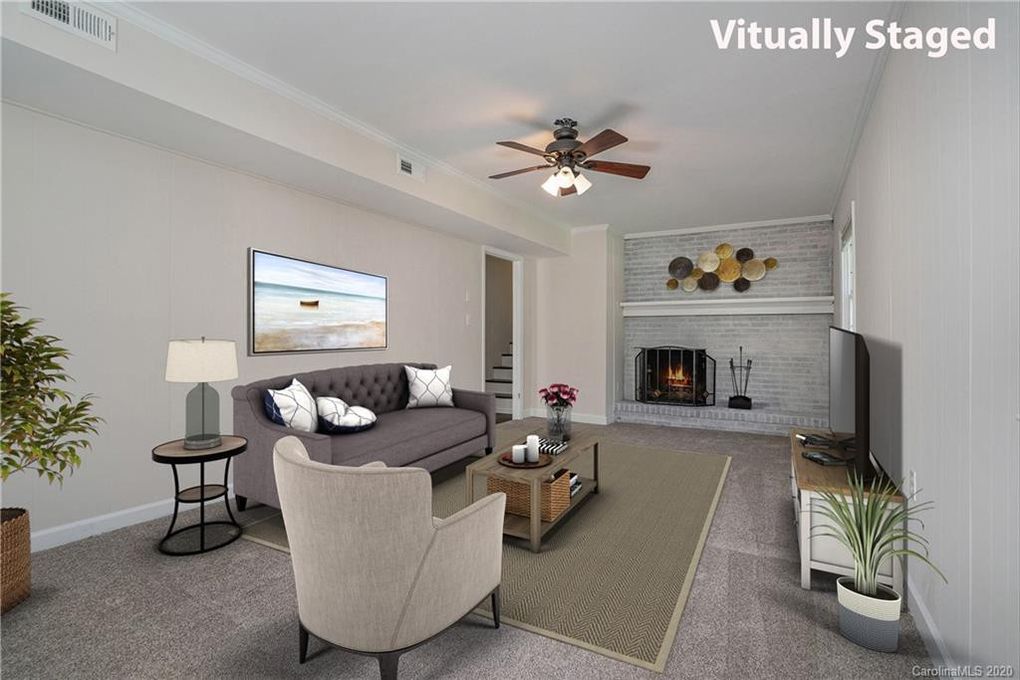
- The lower level den: Often has a fireplace, concrete slab floor, and exposed ductwork. Properly finished, it becomes the best room in the house. See the lower level finishing guide.
- The bathrooms: Famously small. The 5×8 bathroom is the defining bathroom of a split level. Completely renovatable. See the 5×8 bathroom remodel guide.
- The lighting: Insufficient by modern standards. Recessed lighting upgrades are among the highest-impact, lowest-cost changes available.
For interior color choices, the split level interior color schemes guide covers eight complete palettes designed for the multi-level visibility challenge that makes color selection uniquely complex in a split level.
Renovating a Split Level: Where to Start
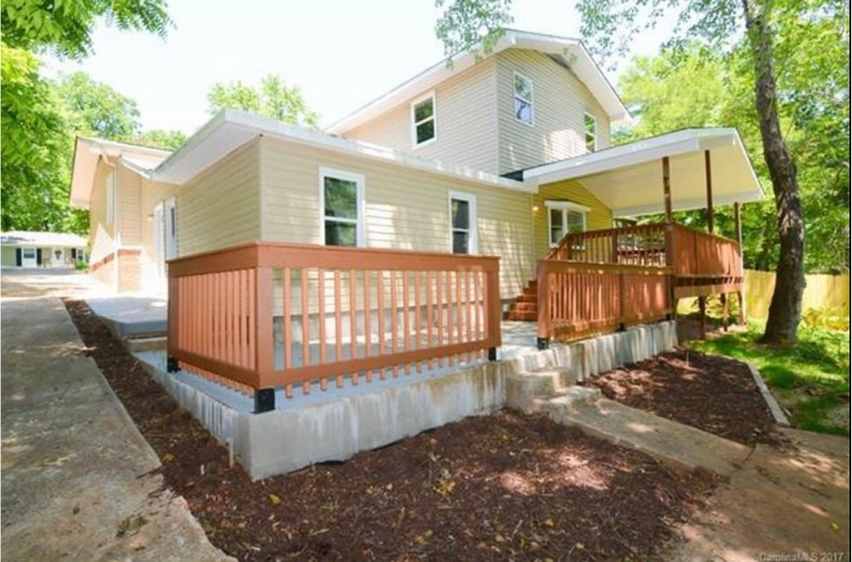
I bought a 1960s split level and spent four years modernizing it. Here’s the renovation order that makes the most sense:
- Open the floor plan first. Remove the kitchen partition wall. This is the single highest-impact renovation available and everything else looks better once it’s done. See the kitchen remodel guide.
- Update the exterior. New siding, fresh paint, modern window trim, and porch columns. The exterior trifecta transforms curb appeal for under $2,500 combined.
- Finish the lower level. The most underutilized square footage in any split level. The lower level finishing guide covers framing, HVAC, and flooring.
- Add a deck. Most split levels have unused rear access. Mine was built directly over an existing concrete patio for $3,376 versus a $13,500 contractor quote.
- Consider adding on. If you still need more space, the split level home addition guide covers all six addition types with real 2026 costs.
For full cost estimates across every project, the split level renovation cost guide breaks down each project individually so you can plan by priority.
Should You Buy a Split Level Home?
Here’s my direct answer after owning and renovating one: yes, with open eyes.
Buy a split level if you want maximum square footage per dollar in an established neighborhood, you’re comfortable with a renovation project, you value zone separation between sleeping and living areas, or you want house-hacking income from the lower level.
Don’t buy a split level if anyone in the household has limited mobility, you want move-in-ready without any renovation investment, or you’re in a market where split levels are priced at parity with renovated comparables.
Split levels are becoming harder to find in desirable neighborhoods as more buyers recognize their value. The exterior may look dated. The interior may be a time capsule. The bones are almost always worth the effort. Here’s what modernizing one looks like in practice.
Frequently Asked Questions
What is a split level house?
A split level house is a home with three or more staggered floor levels connected by short half-flights of stairs. The entry is at a mid-point landing between floors, with the main living areas a half-flight up and the lower level a half-flight down. Bedrooms are on a third level above the main living floor.
What is the difference between a split level and a bi-level house?
A split level has three distinct levels connected by short half-flights of stairs, with an entry landing that has usable space. A bi-level has two levels connected by one full staircase, with the front door opening directly to stairs and no usable entry-level space. Split levels have more defined zone separation; bi-levels are simpler and typically less expensive.
Is a raised ranch the same as a bi-level?
Yes. “Raised ranch” is a regional term used most commonly in the Northeast US for the same home type most of the country calls a bi-level or split-entry home. Both describe a ranch floor plan elevated above a finished lower level, entered through a door that immediately splits between stairs going up and stairs going down.
What is the difference between a split level and a two-story house?
A two-story house has two full floors connected by a single full staircase, with the entry on the ground floor containing all main living areas. A split level has three or more staggered partial floors connected by multiple short stair runs, with the entry between floors. Two-story homes have one long stair run; split levels have several short ones distributed throughout the home.
Are split level homes a good investment?
Yes, particularly in established suburban markets where they’re priced below comparable square footage. The discount exists because split levels are perceived as dated, but the bones are solid and the renovation potential is significant. The lower level’s private entrance also creates genuine Airbnb income potential. See the full renovation cost guide for realistic budget expectations.
Where are split level homes most common in the US?
Split level homes are most concentrated in the Northeast — New Jersey, Connecticut, New York suburbs, Massachusetts — and the Midwest — Ohio, Michigan, Illinois, Pennsylvania. These regions saw the most intensive suburban development between 1950 and 1975 when split levels were at peak popularity. They’re also found throughout the Mid-Atlantic and in California, Oregon, and Washington.
How many split level homes are there in the US?
An estimated 7–10 million split level homes were built in the United States between the 1930s and the 1970s. They remain one of the most common housing styles in established suburban neighborhoods despite falling out of fashion in new construction after the 1980s.
What are the 5 types of split level homes?
Standard split (three levels, the most common), side split (split visible from the side, looks like a ranch from the front), back split (split visible only from the rear), split foyer or split entry (two-level version with foyer entry), and stacked split or tri-level (four or more levels).
Planning a split-level renovation? I put everything I learned into one system — a room-by-room roadmap, real budget worksheets, and a contractor bid comparison tool. Built from my own renovation, not generic advice.

Max
Max Lowrie, founder of MySplitLevel.com® and author of The Live In Flip© bought his first split level house in 2016. During a lengthy renovation, Max noticed that there was little useful content online specific to split-level homes. Max now devotes his time to share his knowledge hoping to help homeowners avoid unnecessary mistakes, and provide a blue print for split-level owners nationwide.
Giveaways, Ebook, and Forum coming soon. Be the first to know about new content!