Updated: May 2026
So you bought your first split level home. You’ve closed, you’ve done all the pinning, dreaming, and planning. Before you swing a single hammer, get a realistic sense of what each project will actually cost — it’ll save you a lot of stress and recalibration mid-project.
Finding renovation advice specific to split-level homes is harder than it should be. Most content out there caters to new construction or basic ranch houses. Split-level homes are the “bread and butter” of renovation houses — you get a taste of nearly every scenario: concrete slab on the lower level, crawl space on the mid level, framing challenges throughout. The learning curve is real, but so is the reward.
I bought my first split level in 2016 and spent four years modernizing it. Here are the 10 upgrades that made the biggest difference.
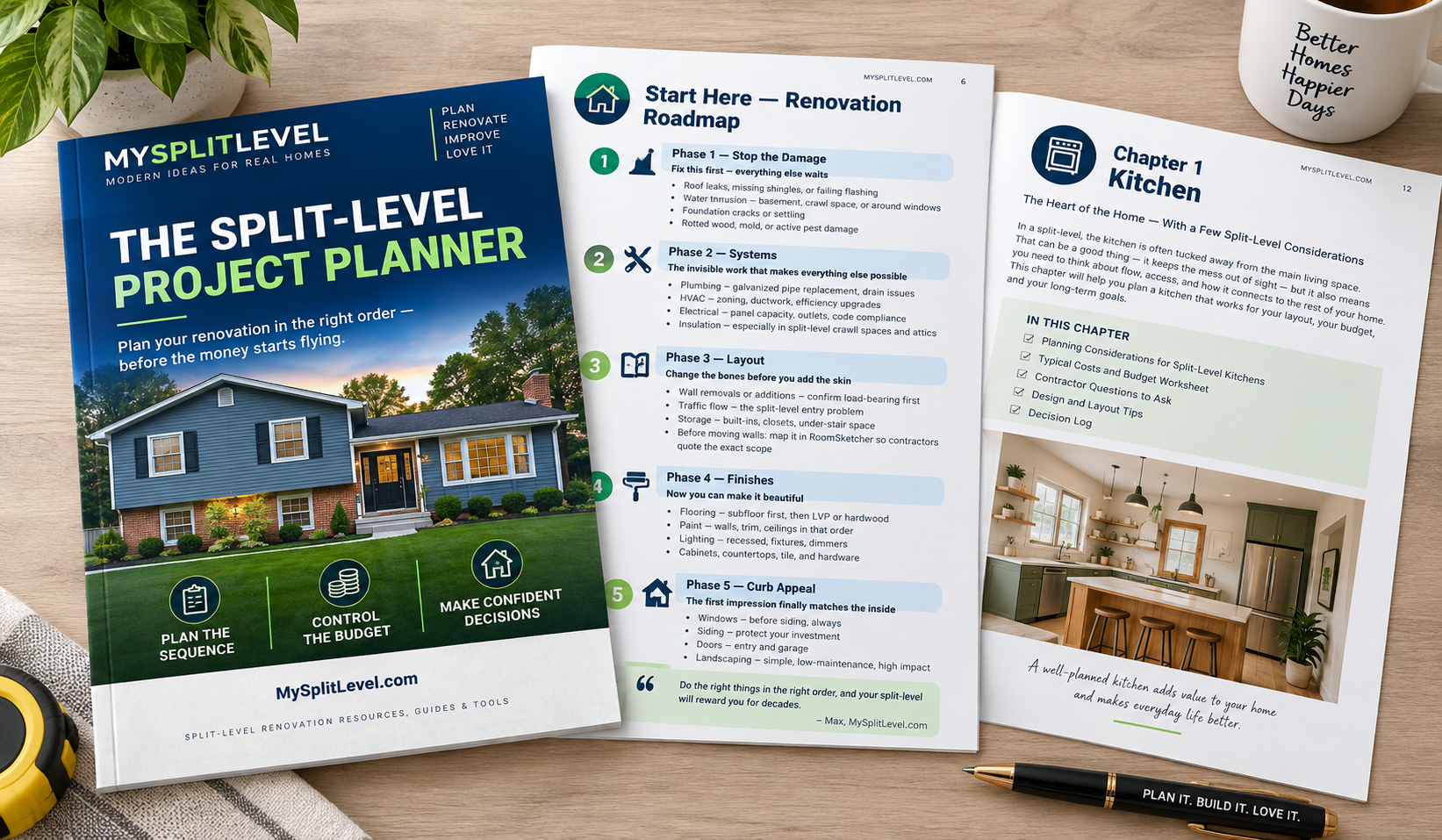
Planning a split-level renovation? I put everything I learned into one system — a room-by-room roadmap, real budget worksheets, and a contractor bid comparison tool. Built from my own renovation, not generic advice.
Why Modernizing a Split-Level Is So Rewarding
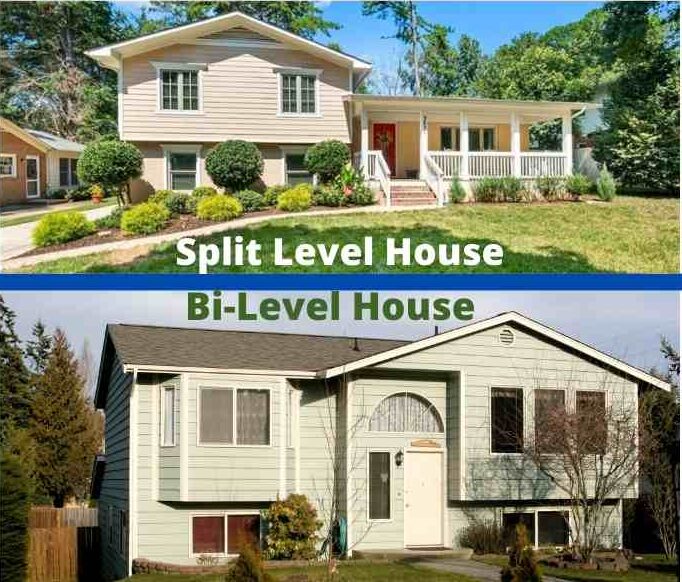
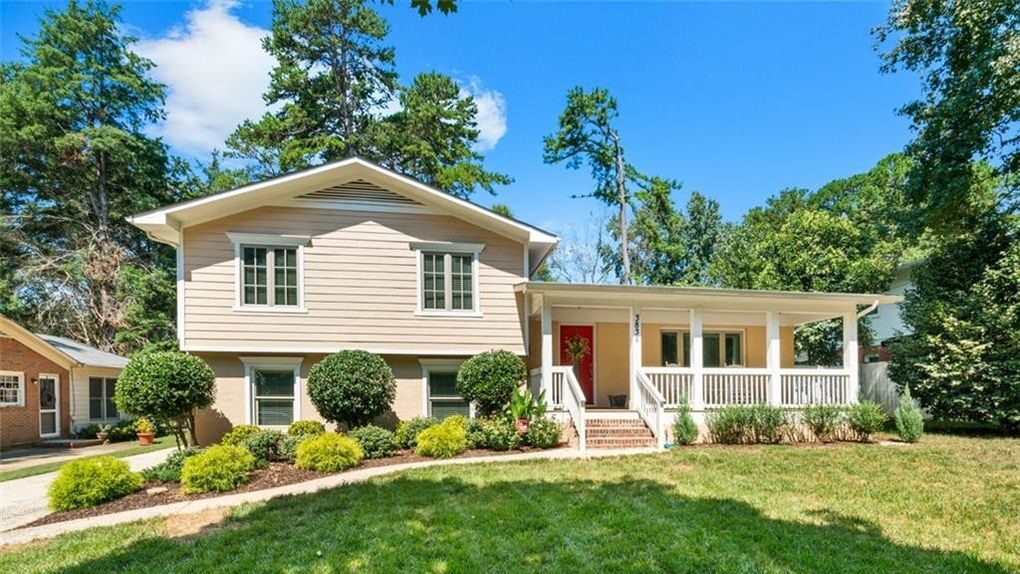
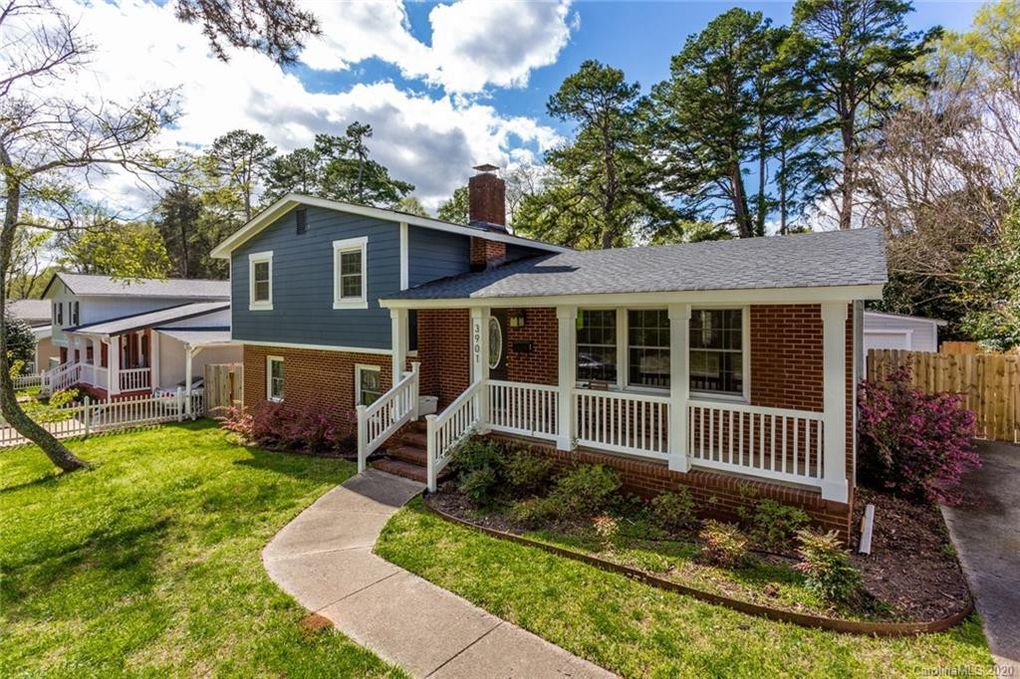
Split-levels often suffer from choppy flow, dated finishes, and the infamous “builder beige.” The good news: the bones of most 1960s and 70s split-levels are solid. The framing is overbuilt by today’s standards, the lots are generous, and the neighborhoods are established. A split-level that hasn’t been updated can appear unappealing from the street, but with the right vision and some hard work, it’s one of the best renovation investments in any market.
These 10 upgrades are the best ways to breathe new life into your space — ranked roughly by visual impact per dollar spent.
1. Open Up the Floor Plan
The single most impactful structural upgrade you can make to a split-level home is opening up the floor plan. Most 1970s split-levels were built when open floor plans simply weren’t popular — walls were cheap and rooms were compartmentalized. Removing even one partition wall between the kitchen and living room transforms the entire feel of the main level.
Split level floor plans are complex. RoomSketcher makes it easy to map out your existing layout, plan wall removals, and design the open floor plan you've been picturing — before you talk to a single contractor.
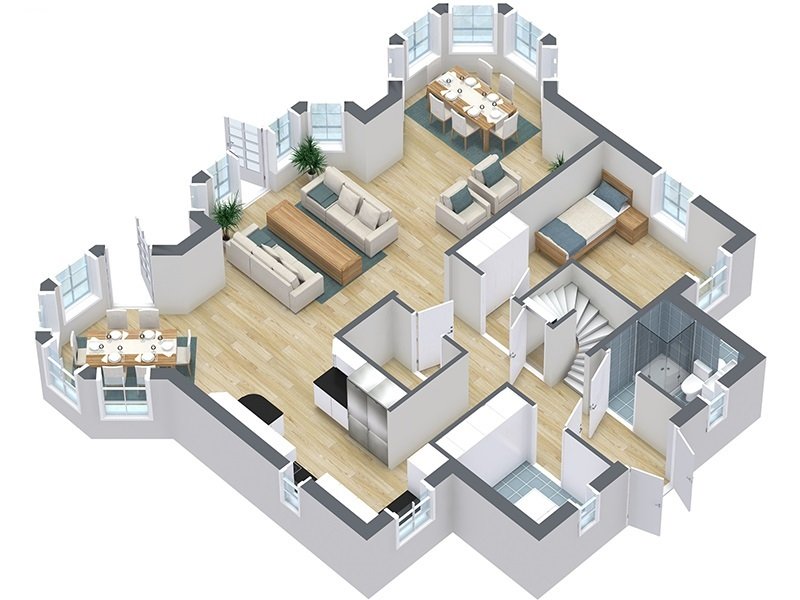
In my house, there was a wall acting as the fourth wall of the kitchen that provided a small amount of extra cabinet space but served no real structural purpose. Removing it opened the main level entirely and was the single best decision I made in the whole renovation.
Before you touch any wall: confirm it’s not load bearing. Check the attic and look for any bracing connecting the wall’s top plate to the rafters. If there’s any doubt, a structural engineer consultation runs $300–$600 and is worth every dollar. You can also read more about identifying load bearing walls here.
2026 cost estimate: DIY non-load-bearing wall removal runs $200–$500 in materials. Contractor: $800–$2,500 depending on what’s inside the wall.
Once the floor plan is open, the staircase becomes the natural focal point of the space. A modern cable railing system replaces the dated wood spindles that came with most split-levels and immediately updates the entire visual landscape of the main level.
Try this: use a modular cable railing kit for a clean, modern look without custom welding.

The split-level renovation down the street from mine is the best example I’ve ever seen of this done right. They gutted the entire main floor of every partition wall and took the ceilings all the way to the rafters instead of settling for a standard 8-foot ceiling. The result is a space that doesn’t look like a split-level anymore — it looks like a custom home. Recessed lighting at the high points completed the transformation.

Giveaways, Ebook, and Forum coming soon. Be the first to know about new content!
2. Update the Lighting
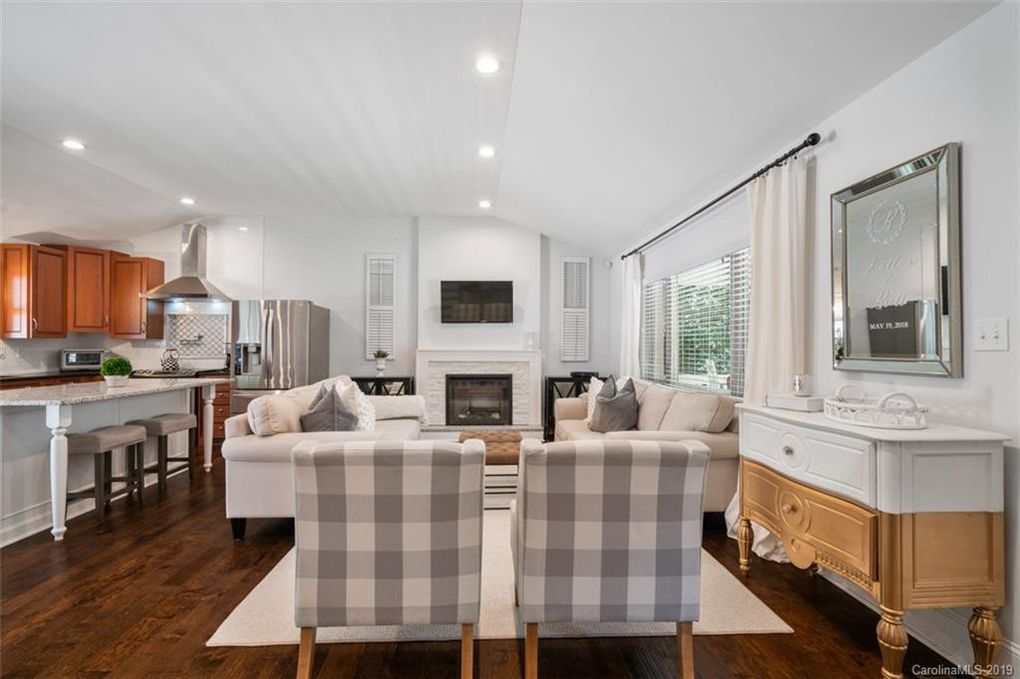
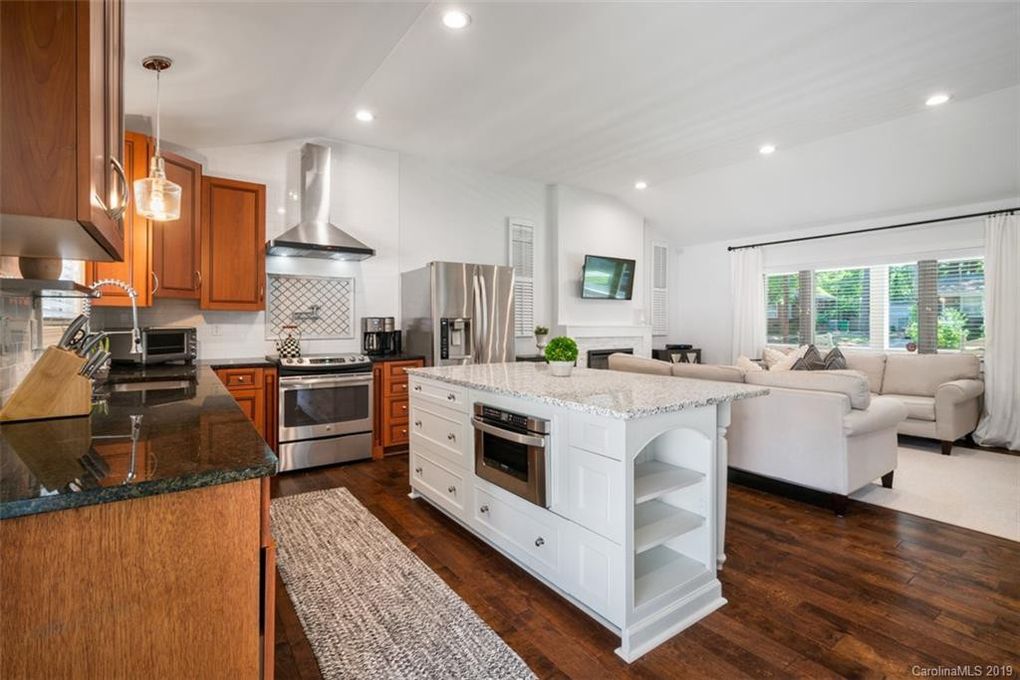
Lighting is the most underrated upgrade on this list. Older split-levels were built with minimal electrical — one overhead fixture per room, often on a switched outlet rather than a dedicated ceiling box. The result is a home that feels perpetually dim regardless of what time of day it is.
Recessed lighting changes this completely. Installing a grid of recessed lights across the main living level creates even, modern illumination that makes the space feel twice as large. Modern LED wafer lights are a surprisingly approachable DIY project — they don’t require a junction box, just a hole saw and a nearby circuit.
2026 cost estimate: LED wafer recessed lights run $8–$20 per fixture. A 12-light living room upgrade costs $100–$240 in fixtures. Electrician labor to wire new circuits: $500–$1,500 depending on your panel situation.
Easy to install, and interchangeable brightness so you're not stuck going back in forth to Lowes buying different bulbs.

Beyond recessed lights, don’t overlook pendant lighting over the kitchen island or dining area, and sconces flanking the fireplace in the lower level. Layer your lighting sources and your split-level stops feeling like a 1970s tract house.
3. Remodel the Kitchen
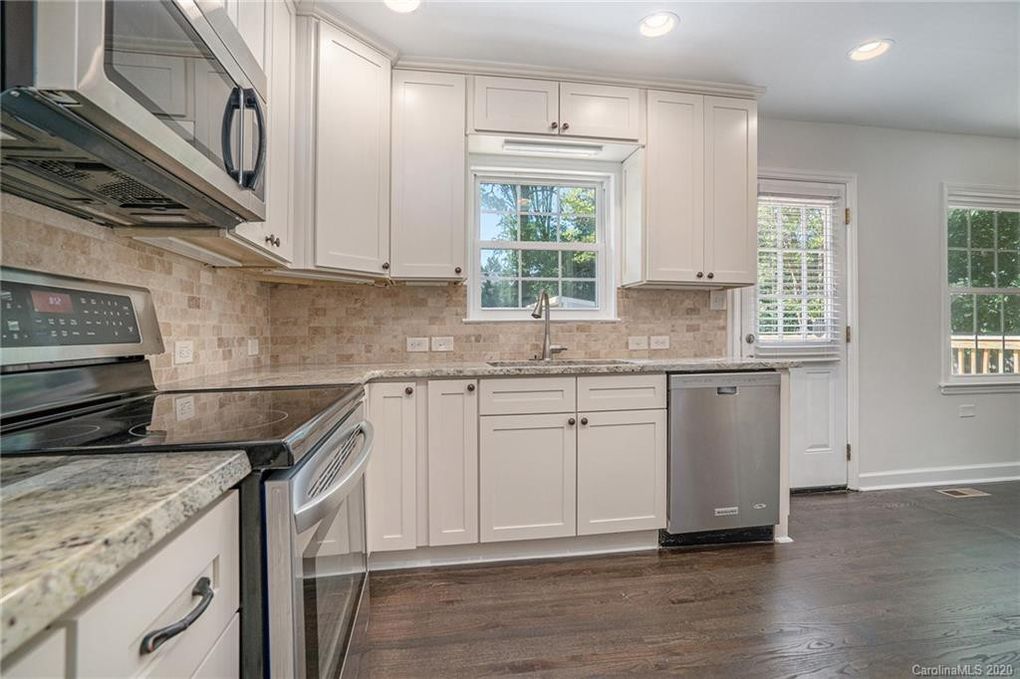
The kitchen is the cornerstone of any house, and in a split-level it’s especially visible once walls are removed. A full split-level kitchen remodel delivers the highest return on investment of any interior renovation — but it doesn’t have to mean a full gut job to make a meaningful difference.
On a tight budget, start with painting the existing cabinets and swapping the hardware. New cabinet hardware costs $2–$8 per pull and takes an afternoon — the visual difference is disproportionate to the cost. If the cabinets are in rough shape, RTA (Ready-to-Assemble) replacements are the best value option in 2026.
When you pull old cabinets, take the opportunity to look at what’s behind them. I found a weakened section of subfloor from a dishwasher leak, out-of-code wiring, and evidence of a mouse situation that had apparently been rent-free behind my stove for years. Better to find it before new cabinets go in.
See our full renovation cost guide for current cabinet and kitchen budgets.
2026 cost estimate: Cabinet painting + new hardware: $300–$800 DIY. Full RTA cabinet replacement: $1,800–$4,500 in materials. Full contractor kitchen remodel: $25,000–$60,000+.
4. Install New Siding
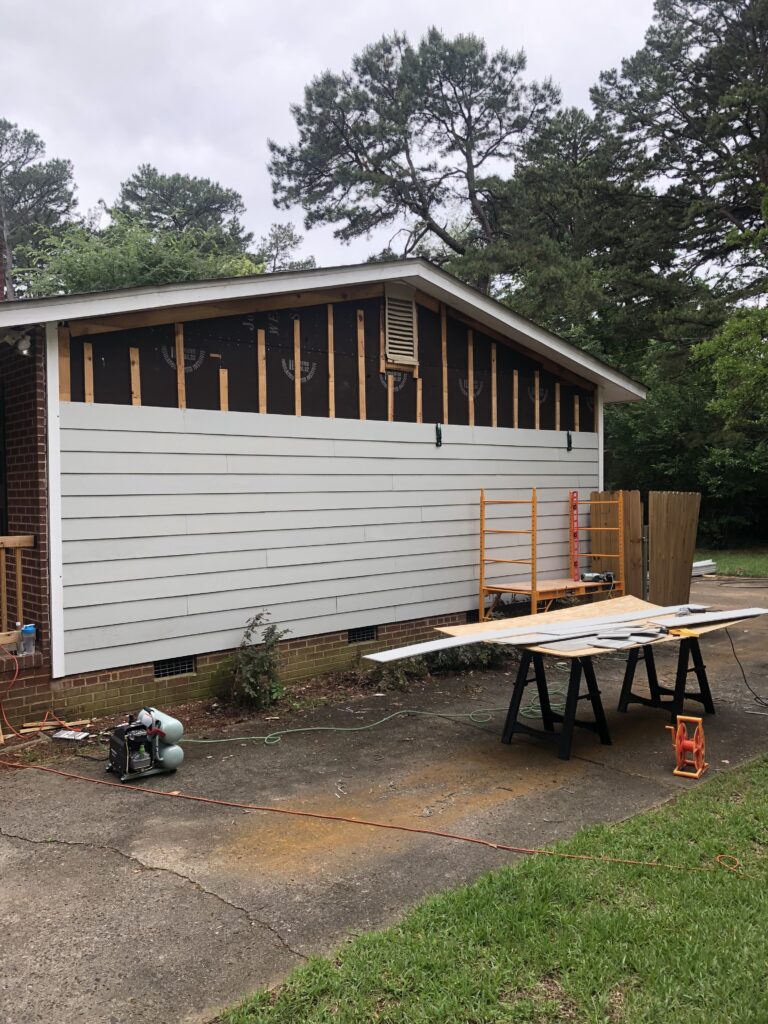
The exterior of a split-level is often the first thing that turns buyers away and the last thing owners get around to addressing. If you have multiple spots of rot, peeling paint, or original Masonite siding, don’t trust a coat of paint to solve the problem. It’ll look better for a season and then you’ll have the same mess plus the cost of the paint job.
Fiber cement siding (Hardie being the most recognized brand) is the gold standard for split-level exterior replacement. It doesn’t rot, holds paint for 15+ years, and comes in styles ranging from classic lap siding to modern flat panel. Our step-by-step guide to installing Hardie siding covers the full process.
Before starting, it’s worth knowing what exterior projects actually cost — see our split-level renovation cost guide for current siding estimates.
2026 cost estimate: Fiber cement siding runs $6–$12 per square foot installed by a contractor. A 2,000 square foot split-level exterior typically costs $12,000–$24,000 professionally installed. Skilled DIYers can cut this cost by 40–60%.
5. Update or Add a Front Porch
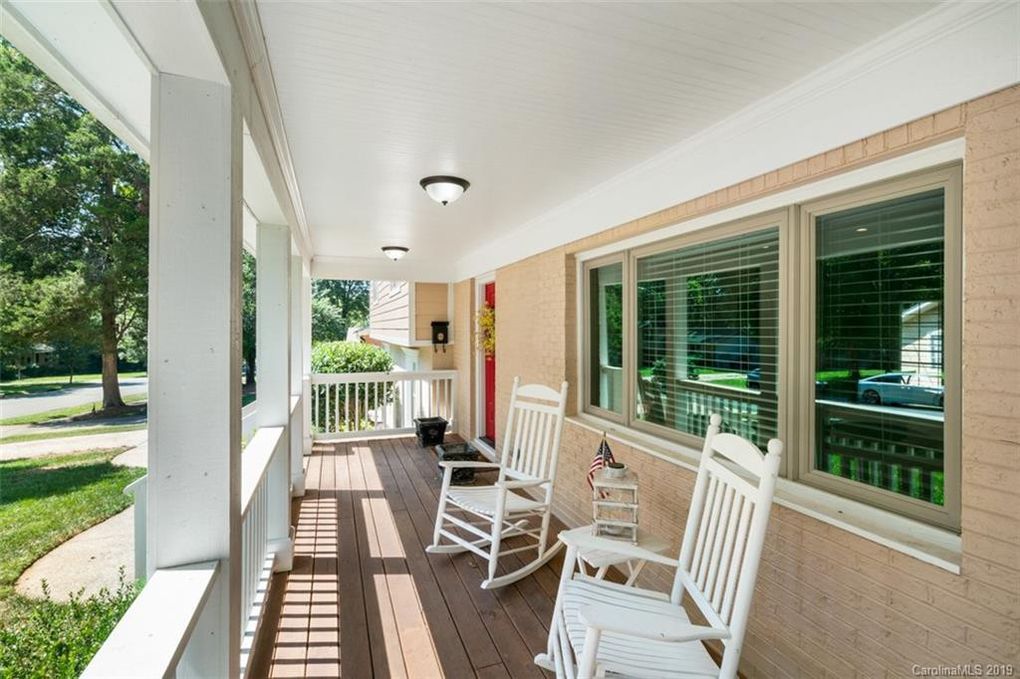
If your split-level came with a front porch — even a narrow one — it’s worth updating. A neglected porch with rotting columns and peeling paint sends a message to everyone who drives by. A renovated porch sends a completely different one.
One of my all-time favorite renovations on my own home was replacing the porch columns. The originals were rotting, undersized, and just didn’t fit the house. I wrapped new 4×4 cores in PVC board — a durable, maintenance-free material that holds paint indefinitely and never rots at the base. The curb appeal improvement was immediate and dramatic.
While you’re at the exterior, updating the window trim at the same time amplifies the effect of both projects. The two upgrades together cost under $1,000 combined and completely transform the front of the house.
2026 cost estimate: Full porch column replacement in PVC: $350–$620 in materials DIY. Contractor install: $1,200–$3,000.
6. Renovate the Den or Basement Level
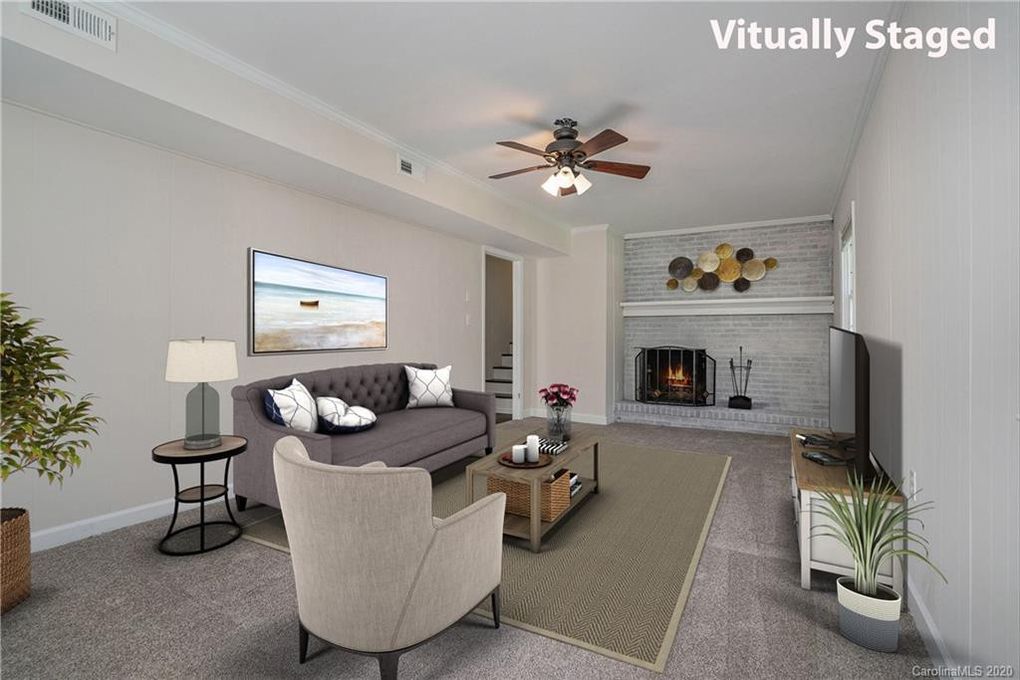
Every split-level has a lower den or basement level, and it’s almost always the most underutilized space in the house. Most were built before central air conditioning, which means no HVAC, exposed ductwork from any later additions, bare concrete floors, and unfinished walls.
The good news: a lower level renovation is one of the highest-ROI projects on a split-level because you’re adding genuinely livable square footage rather than just updating existing space. Once finished, the lower level works as a second family room, home office, guest bedroom, home gym, or Airbnb suite. That private entrance many split-levels have is a natural setup for short-term rental income.
Since most split-levels were built before central air, the first step is adding HVAC and framing in any ductwork before touching anything else. Get mechanicals in before framing — running ductwork after walls are up is significantly harder and more expensive.
2026 cost estimate: Full lower level finish (framing, drywall, LVP flooring, lighting): $8,000–$18,000 contractor. $3,000–$7,000 skilled DIY.
7. Fresh Exterior Paint
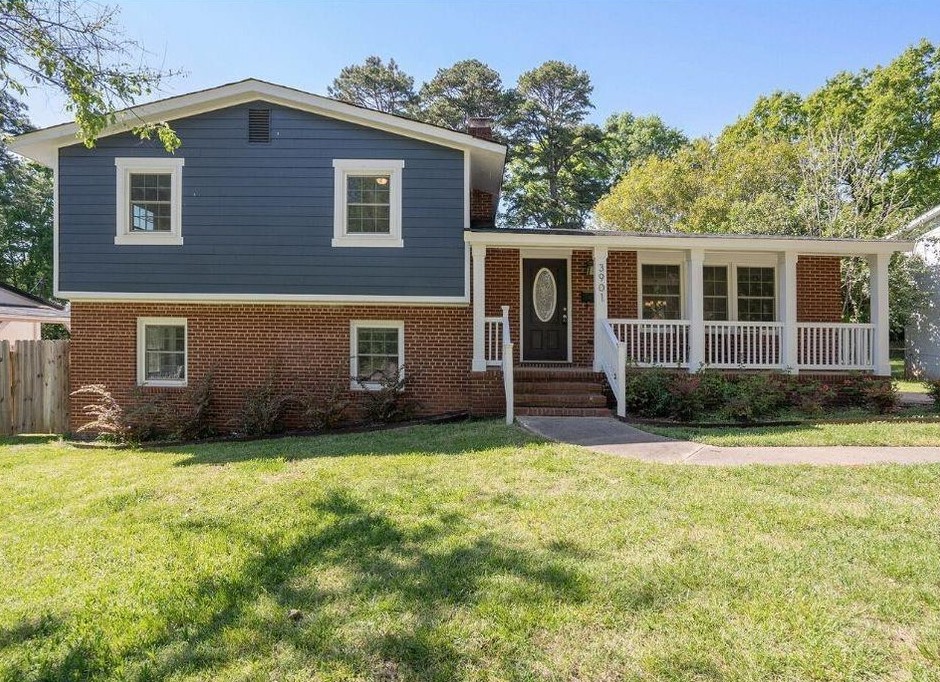
A fresh exterior paint job is the highest-impact, lowest-cost transformation available on a split-level. New paint touches every surface simultaneously and the before-and-after effect is immediate. Color selection is the hard part — we’ve put together a comprehensive guide to exterior color schemes for split-level homes with 10 specific schemes including the Hale Navy I used on my own house.
Once the exterior is sorted, the interior is next. Our guide to split-level interior color schemes covers eight complete palettes designed specifically for the multi-level visibility challenge that makes interior color choices uniquely tricky in a split-level.
For a full exterior paint job, a quality paint sprayer dramatically speeds up the project. For a 1,500 square foot split-level exterior you’re looking at 8–10 gallons of paint — rolling by hand is a multi-day project. A sprayer makes it a one-day job. The Graco Magnum X5 is the go-to for DIY exterior painting at this scale.
2026 cost estimate: Paint materials for a full split-level exterior: $300–$600. Professional painter labor: $2,500–$6,000 depending on size and condition.
8. Build a Deck
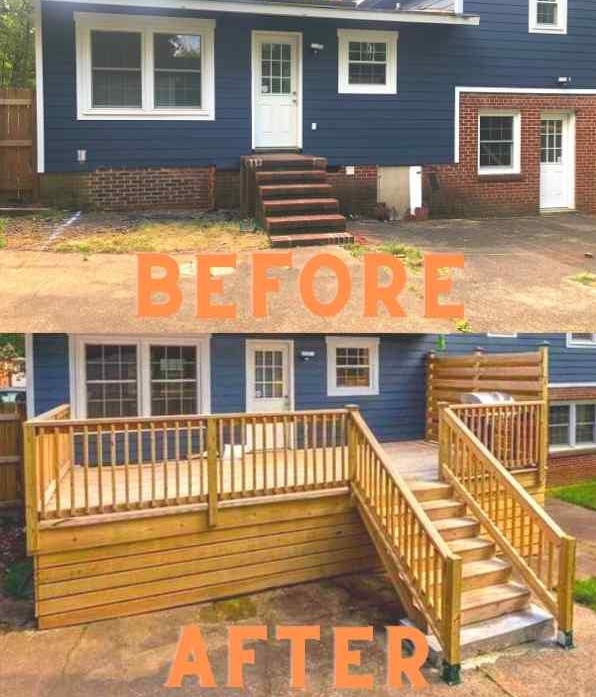
A simple, functional deck transforms the exterior of a split-level more than almost any other single project. Most 1970s split-levels have uninviting concrete stairs or a bare patio leading to the backyard. A deck changes how you use the outdoor space and how the house reads from the backyard entirely.
My deck was built directly over an existing concrete patio — a common situation that turns out to be an advantage, not an obstacle. The existing concrete gives you a stable work surface and simplifies your footing options significantly. I was quoted $13,500 by a deck contractor and completed the project myself for $3,376.
Due to the multi-level nature of split-level homes, your deck design needs to fit the topographical footprint of the backyard. A simple single-level platform deck is often all that’s needed and keeps the project manageable for a first-time builder.
2026 cost estimate: DIY pressure-treated deck (12×16 ft): $1,750–$3,700 in materials. Full contractor build: $12,000–$22,000+.
9. Update the Window Trim
This is the most overlooked exterior upgrade on the list and one of the best return-on-investment projects available. Most original split-levels have minimal or no exterior window trim — just the casing and sill. Adding modern trim around every window ties the whole exterior together and gives the house a finished, intentional look it almost certainly didn’t have originally.
I did this while installing new siding, which is the ideal time since everything is exposed. But it can also be done independently as a standalone project. Installing modern exterior window trim is a one-weekend DIY project with materials that typically run $200–$600 for the whole house depending on the number of windows.
The combination of fresh paint, new porch columns, and updated window trim is the exterior trifecta for split-level curb appeal. Each one makes the others look better.
2026 cost estimate: Full house window trim in PVC: $200–$600 in materials DIY. Contractor install: $800–$2,500.
10. Remodel the Bathroom(s)
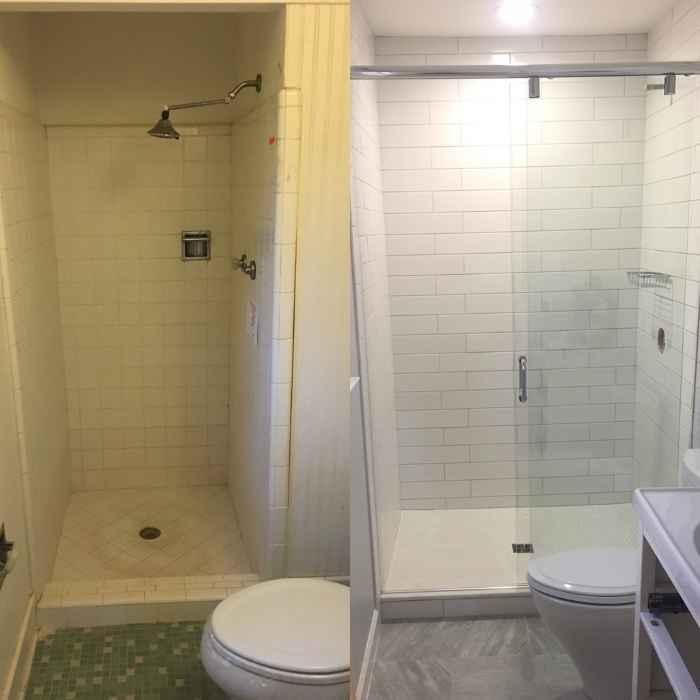
Any bathroom from 1970 or earlier will likely have you asking yourself how small people were 40 years ago. Cramped shower, outdated subway tile stopping at shoulder height, pink or avocado green fixtures — the split-level bathroom is its own special category of dated. I completely gutted both of mine and turned them into extravagant places to poop.
The 5×8 bathroom remodel is the defining project of most split-level renovations because nearly every split-level has at least one of them. Starting from scratch with a full gut is the right call — trying to work around original plumbing, tile, and fixtures costs more in the long run than just removing everything and starting clean.
The most important decision in a small bathroom remodel is the shower waterproofing system. The Schluter Kerdi shower system is the gold standard for DIY bathroom remodels — lightweight foam panels, easy-to-work-with seam tape, and comprehensive video tutorials make it the most foolproof waterproofing system available for a first-timer. It’s what I used and what I’d use again.
2026 cost estimate: Full DIY gut-and-rebuild of a 5×8 bathroom: $2,500–$4,500 in materials. Professional remodel: $10,000–$25,000+.
Install Replacement Windows
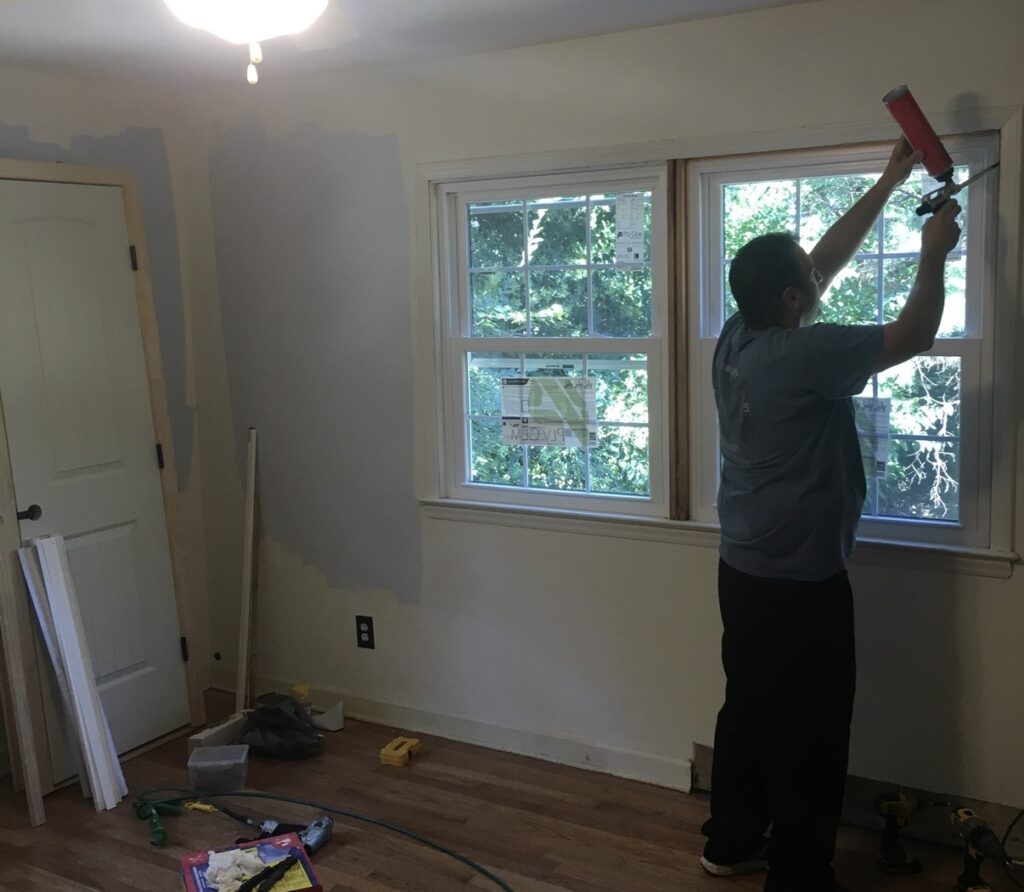
Installing replacement windows is one of the easiest upgrades you can make to an older split-level. Most split-levels were built with standard window sizes, which eliminates the need for custom orders. Standard double-hung replacement windows drop directly into existing frames without any structural modification — it’s a one-window-at-a-time project that most homeowners can tackle in a weekend.
Beyond the visual update, replacement windows deliver meaningful energy savings. Single-pane aluminum windows — standard in most 1960s and 70s split-levels — have essentially zero insulating value. Modern double-pane low-E windows reduce heat loss significantly and can lower heating and cooling costs noticeably in climates with real winters or summers.
2026 cost estimate: Standard replacement windows run $150–$400 per window in materials. A full split-level with 12–15 windows: $3,000–$9,000 professionally installed.
Frequently Asked Questions
What is the best first project when modernizing a split-level home?
If budget allows only one project, open the floor plan. Removing the partition wall between the kitchen and living room transforms the entire feel of the main level and makes every subsequent update look better. If structural work isn’t in the budget, fresh exterior paint delivers the most visible improvement per dollar spent.
How much does it cost to fully modernize a split-level home?
A full modernization covering all 10 upgrades on this list typically runs $40,000–$120,000 hiring contractors for everything. A skilled DIYer doing the majority of the work themselves can complete the same scope for $15,000–$40,000 in materials. See our complete renovation cost guide for detailed breakdowns on every project.
Do split-level homes have good resale value after renovation?
Yes — a well-renovated split-level in an established neighborhood consistently outperforms its unrenovated neighbors at resale. The combination of generous lot sizes, solid mid-century construction, and the dramatic transformation potential of dated interiors makes a split-level one of the best renovation investments in any market.
Can I open up the floor plan of a split-level myself?
Yes, if the wall is confirmed non-load-bearing and doesn’t contain active utilities. Always have the electrical confirmed off with a non-contact voltage tester before cutting into any wall. If there’s any doubt about structural status, spend $300–$600 on a structural engineer consultation first. It’s the cheapest insurance in renovation.
What exterior upgrades give the most curb appeal on a split-level?
The exterior trifecta: fresh paint in a modern color scheme, new porch columns, and updated window trim. Each costs under $1,000 DIY, all three together typically run under $2,500 combined, and the cumulative visual improvement makes the house look like a completely different building. Start with paint — it’s the foundation everything else builds on.
Planning a split-level renovation? I put everything I learned into one system — a room-by-room roadmap, real budget worksheets, and a contractor bid comparison tool. Built from my own renovation, not generic advice.
Get In While You Still Can
Split level homes are becoming harder and harder to find. They’re typically in older, well-established neighborhoods with good schools, closer to city centers, and on lots that newer construction simply can’t replicate. A split-level that hasn’t been updated yet can appear unappealing from the outside — and that appearance gap is exactly where the opportunity lives.
With the right vision and some hard work, a split-level house makes a wonderful choice for a first-time buyer or an experienced renovator. The bones are there. The neighborhood is there. The only thing missing is someone willing to do the work.
That’s what this site is for.

Max
Max Lowrie, founder of MySplitLevel.com® and author of The Live In Flip© bought his first split level house in 2016. During a lengthy renovation, Max noticed that there was little useful content online specific to split-level homes. Max now devotes his time to share his knowledge hoping to help homeowners avoid unnecessary mistakes, and provide a blue print for split-level owners nationwide.
Giveaways, Ebook, and Forum coming soon. Be the first to know about new content!