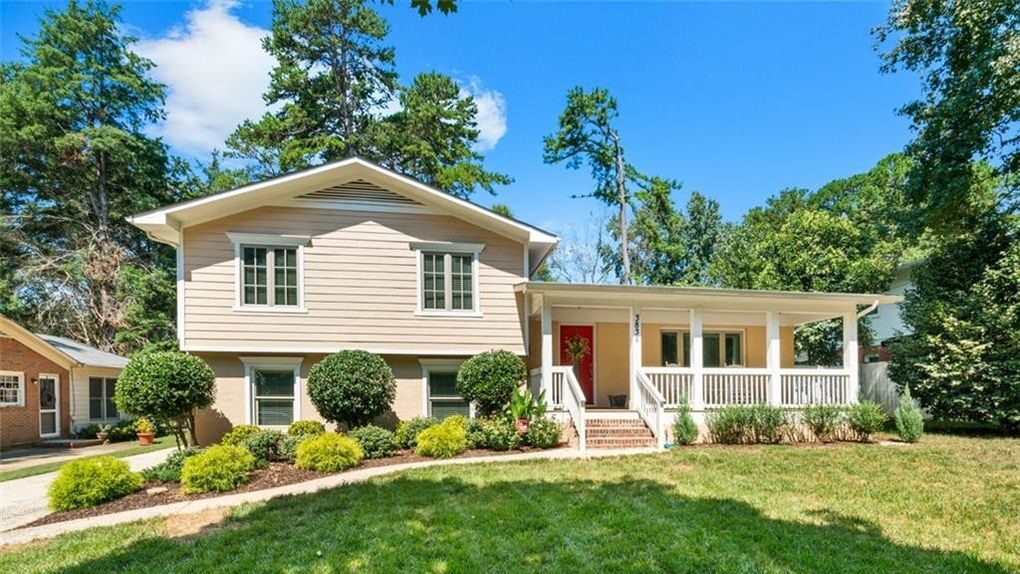
When I bought my 1970s split-level, I did what everyone does: I Googled “how much does a home renovation cost” and got completely useless information. Generic articles telling me a kitchen remodel costs “between $10,000 and $80,000.” Thanks. Super helpful.
The problem is that split level homes have their own quirks — and those quirks affect your budget in ways a generic remodel cost guide will never tell you. The mixed foundation situation (concrete slab on the lower level, crawl space in the middle), the weird ceiling heights, the staircase that sits right in the middle of everything — these aren’t just aesthetic challenges, they’re budget line items.
So after four years of renovating my own split-level, and talking to hundreds of split level owners in this community, here’s what things actually cost.
First: Why Split Level Renovation Costs Are Different
Before we get into numbers, let’s talk about the factors that make split levels unique from a cost standpoint.
The mixed foundation. Most split levels have a lower level on a concrete slab and a main level over a crawl space. If you’re running plumbing, electrical, or HVAC to the lower level, you may be cutting concrete — which adds cost and time that wouldn’t show up in a generic renovation estimate.
Staircase placement. The entry staircase is smack in the middle of the main floor. Any work that involves opening up the floor plan has to account for this, which usually means a structural engineer gets involved (more on this later).
Dated systems. Most split-levels were built in the 1960s–1980s. If yours hasn’t been updated, you’re potentially looking at knob-and-tube or aluminum wiring, galvanized pipes, and original HVAC — all of which are expensive surprises if you don’t budget for them upfront.
The good news: split levels are typically smaller than modern homes, which means many projects cost less than you’d expect. And because they’re in every suburb in America, contractors have seen them before.
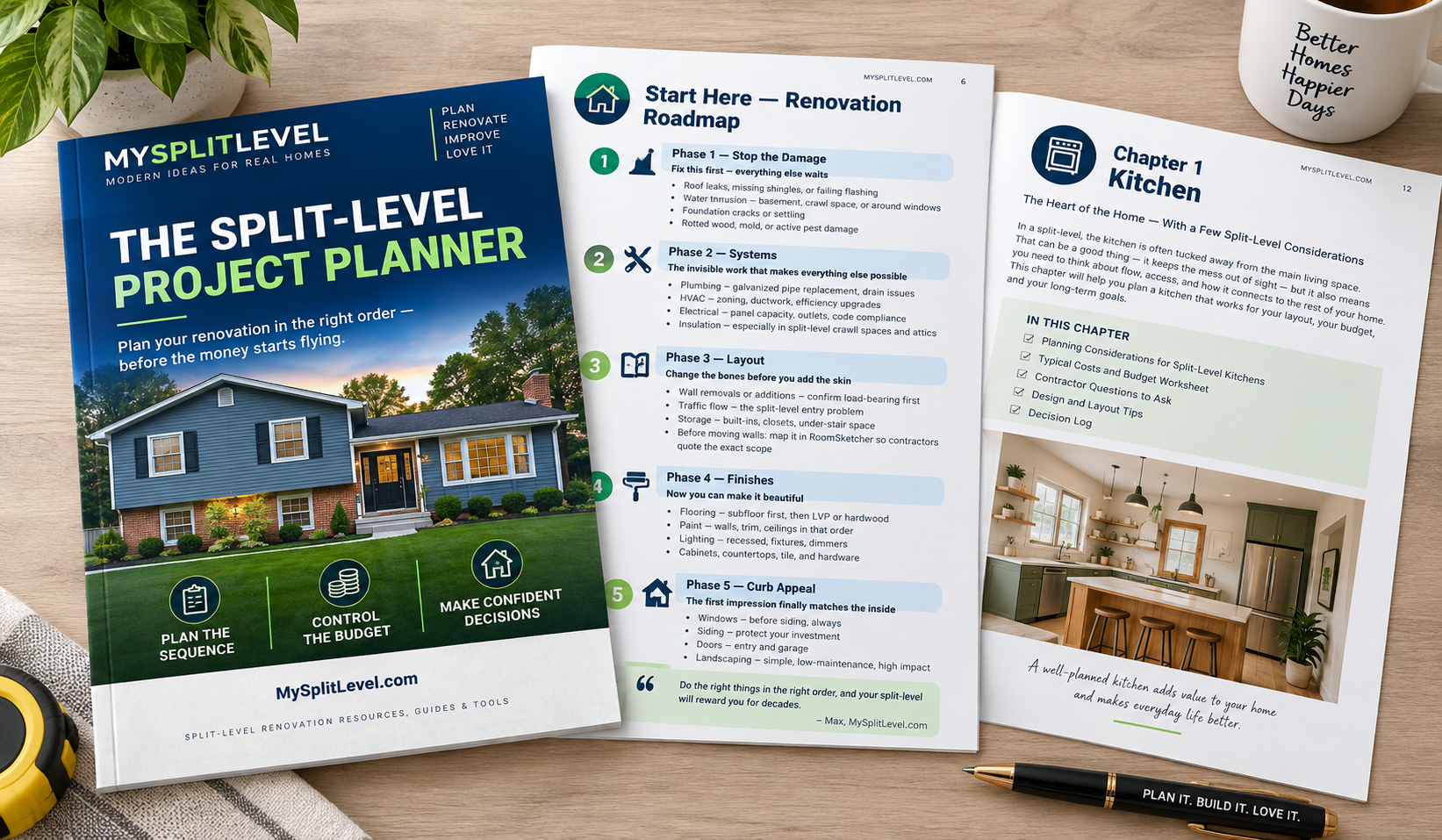
Planning a split-level renovation? I put everything I learned into one system — a room-by-room roadmap, real budget worksheets, and a contractor bid comparison tool. Built from my own renovation, not generic advice.
The Big Projects: What to Budget
Kitchen Remodel: $8,000 – $35,000
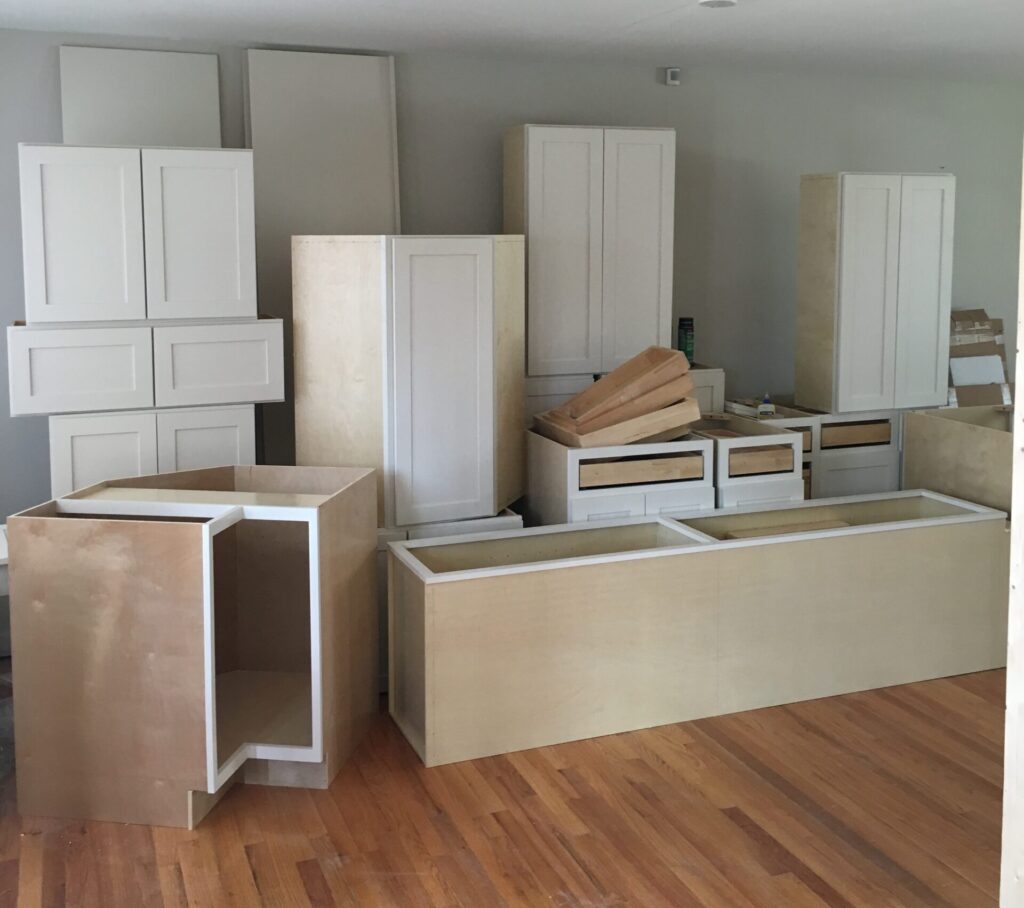
Split level kitchens are almost always on the main floor, and they’re almost always small. The upside: small kitchens cost less to remodel. The downside: working around that existing layout can limit what’s possible without touching walls.
| Scope | Estimated Cost |
|---|---|
| Cosmetic refresh (paint, hardware, new fixtures) | $500 – $2,000 |
| Cabinet refacing + new countertops | $4,000 – $8,000 |
| Mid-range full remodel (new cabinets, counters, appliances) | $15,000 – $25,000 |
| High-end remodel with layout changes | $25,000 – $40,000+ |
The split-level wrinkle: If your kitchen is closed off and you want to open it up to the living room, you’re likely dealing with a load-bearing wall. Budget an extra $1,500 – $5,000 for structural work, depending on your situation.
DIY savings: Painting cabinets yourself instead of replacing them is the single best budget move in a kitchen. I’ve seen it transform a kitchen for under $300 in materials.
Bathroom Remodel: $4,000 – $18,000
Most split levels have two bathrooms — a full bath upstairs and a half bath or second full bath on the lower level. The lower-level bathroom is where costs can spike, because you’re often dealing with that concrete slab.
| Scope | Estimated Cost |
|---|---|
| Cosmetic update (vanity, mirror, fixtures, paint) | $500 – $2,500 |
| Full remodel, existing layout | $6,000 – $12,000 |
| Full remodel with layout changes or concrete cutting | $12,000 – $20,000 |
The split level wrinkle: Adding or moving a drain on the lower level means cutting concrete. That alone can add $500 – $2,000 to the project before any finish work begins. If the layout works, keep it.
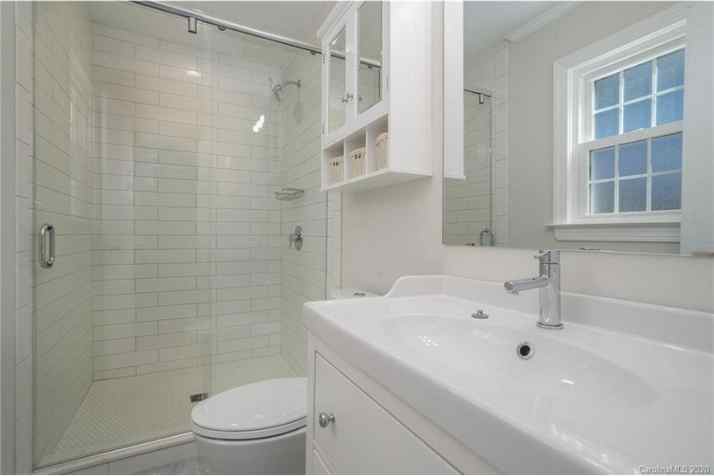
My experience: I redid both of my 5×8 bathrooms myself for around $3,500 each in materials by DIYing the tile, vanity, and fixtures. If you want the full breakdown, I wrote a complete guide to 5×8 bathroom remodels here.
Basement / Lower Level Finishing: $15,000 – $40,000
For most split levels, the lower level is either unfinished or was “finished” in the 1970s with wood paneling and shag carpet. Turning it into a livable space is one of the highest-ROI projects you can do.
| Scope | Estimated Cost |
|---|---|
| Basic finish (drywall, flooring, paint) | $10,000 – $18,000 |
| Mid-range (full finish, egress window, bathroom add) | $20,000 – $35,000 |
| Full renovation with bedroom, bath, kitchenette | $35,000 – $60,000+ |
The split level wrinkle: The lower level often has lower ceiling heights — sometimes as low as 7 feet. If you want to raise the ceiling, you’re getting into major structural work. Most owners learn to live with it or use design tricks to make it feel taller.
ROI note: A finished lower level can add significant resale value in most markets, especially if it creates a true additional bedroom. It’s often the best place to put your renovation dollars.
Exterior / Curb Appeal: $2,000 – $25,000
Split levels have a reputation for being plain on the outside, and honestly, most of them are. The good news is that exterior upgrades are visible, impactful, and don’t require touching anything structural.
| Project | Estimated Cost |
|---|---|
| Full exterior repaint | $3,000 – $7,000 (pro) / $500 – $1,500 (DIY) |
| New exterior window trim | $500 – $2,500 DIY |
| Front door replacement | $800 – $3,500 installed |
| New garage door | $1,500 – $4,000 installed |
| Landscaping refresh | $1,000 – $8,000+ |
| New siding | $8,000 – $20,000+ |
***You can actually do a LOT of house painting yourself using a paint sprayer, just follow a couple tips from youtube pros like this guy. If you want to paint the exterior of your house (very doable) I’d recommend this paint sprayer so you don’t have to keep refilling the reservoir in the smaller ones.***
VONFORN 700W paint sprayer equipped with 4 size nozzles(1mm,1.5mm,2mm, 3.0mm) for most painting projects, such as furniture, pickup, walls, doors, garden tables and chairs etc. Can be adjusted to 3 different spray patterns: horizontal, vertical and circular, so that it can be applied to a wide range of application scenarios

My take: The biggest curb appeal bang for your buck on a split level is a fresh paint job + new exterior window trim + a modern front door. You can do all three for under $5,000 and the transformation is dramatic. I have a full guide on installing modern exterior window trim here if you want to DIY it.
Flooring: $3,000 – $12,000 (whole house)
Split levels typically have three different floor levels, which means three different flooring situations. This actually works in your favor — you can do levels one at a time instead of replacing everything at once.
| Material | Cost per sq ft (installed) |
|---|---|
| Luxury Vinyl Plank (LVP) | $3 – $7 |
| Engineered Hardwood | $6 – $12 |
| Solid Hardwood | $8 – $15 |
| Tile | $5 – $15+ |
| Carpet | $3 – $6 |
The split-level wrinkle: LVP is ideal for the lower level because it handles moisture better than wood. Most split-level owners go LVP downstairs and hardwood or LVP on the main and upper levels for a cohesive look.
HVAC Replacement: $6,000 – $15,000
This is the one nobody wants to budget for, but if your split-level is original, the HVAC is on borrowed time. Split levels can be harder to heat and cool than single-story homes due to the multi-level layout.
It may take a little brainstorming between you and your HVAC tech on how to run ductwork to the places in the house that need it. I chose to have my guys run the ductwork, then I framed around it after the fact, it turned into a nicely finished product seen here.
| Scope | Estimated Cost |
|---|---|
| Furnace replacement only | $2,500 – $5,000 |
| Central AC replacement only | $3,000 – $7,000 |
| Full system replacement (furnace + AC) | $6,000 – $15,000 |
| Mini-split for lower level | $1,500 – $4,000 per zone |
Pro tip: If the lower level always runs cold or hot, a mini-split for that zone is often more effective (and cheaper) than trying to balance the whole-house system.
Windows: $300 – $1,000 per window (installed)
Old windows are a source of drafts, high energy bills, and dated aesthetics. Replacing them is expensive but makes a noticeable difference in both comfort and appearance.
Replacement windows are by far the EASIEST to install, and I found that most of the window sizes in my split-level were very common sizes that they carry at Lowe’s or Home Depot. These standard sizes will be the cheapest since they don’t have to be custom-made.
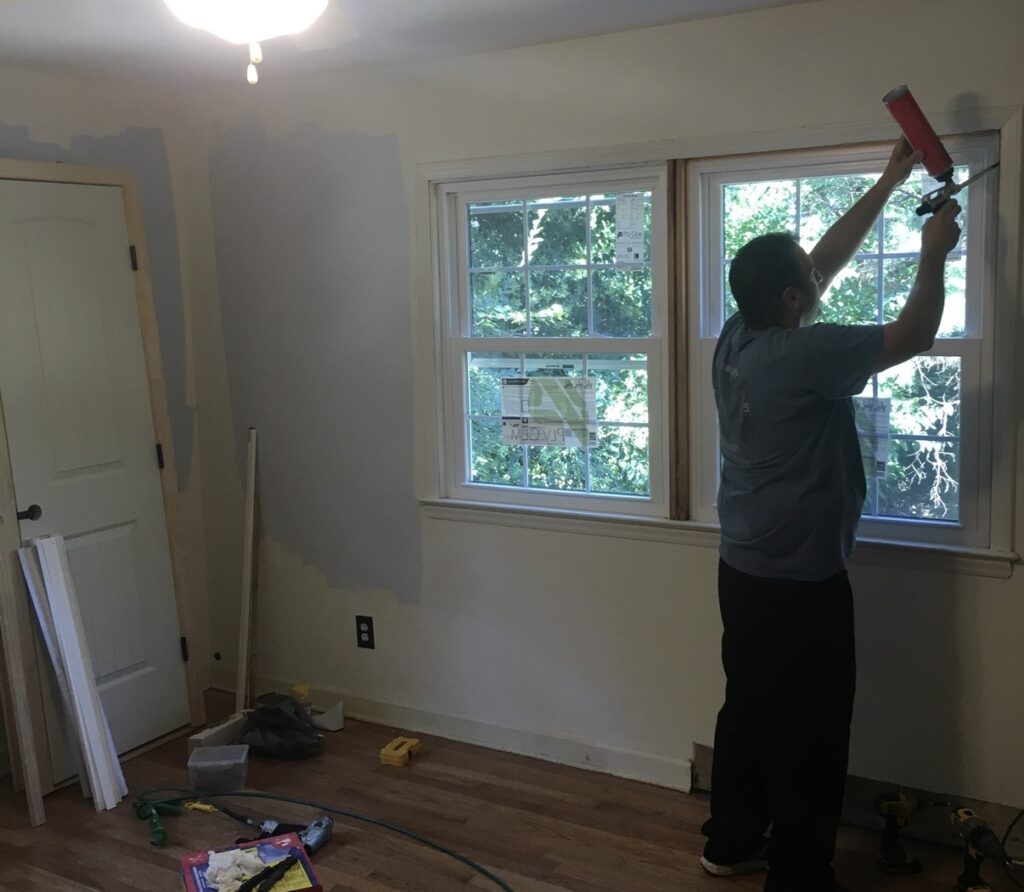
Whatever you do, absolutely DO NOT call one of those replacement window places that advertise on TV. they will gladly charge you $30,000 for a window project you could have done yourself for $2,000. And buy one of these instead of using individual cans of spray foam, you’ll be glad you did.

Giveaways, Ebook, and Forum coming soon. Be the first to know about new content!
The Hidden Costs Nobody Talks About
Here are the line items that will wreck your budget if you don’t plan for them:
Permit fees: $200 – $2,000+ depending on your municipality and scope. Not optional for structural, electrical, or plumbing work.
Structural engineer: $500 – $1,500 if you’re opening up a wall or questioning load-bearing status. Always worth it.
Dumpster rental: $300 – $600 per haul. You’ll need at least one for a major project.
Lead paint and asbestos testing/remediation: If your home was built before 1978, budget $300 – $500 for testing and potentially $1,000 – $5,000+ for remediation if needed. This is not something to skip.
The “while we’re in there” tax: The moment a wall is open, you will find something that needs fixing. Budget a 15–20% contingency on every project. I hate to be the one to give you this news but I’m not kidding.
What Order Should You Renovate In?
This is the question I get most often, and the honest answer is: systems first, surfaces second.
- Address any structural, electrical, or plumbing issues first. It’s not glamorous but it’s the foundation everything else sits on.
- Exterior / roof — protect the envelope before you spend money inside.
- Lower level — highest ROI, gets you usable space.
- Kitchen and bathrooms — highest visibility for resale.
- Flooring — do this after major work is done so you don’t trash new floors.
- Cosmetics — paint, trim, fixtures, lighting. Save this for last so you can do it all fresh.
Total Cost to Fully Renovate a Split Level Home
So what does it cost to gut and redo everything? Here’s a rough all-in range:
| Scope | Estimated Total |
|---|---|
| Cosmetic refresh only | $5,000 – $15,000 |
| Mid-range renovation (kitchen, baths, floors, exterior) | $40,000 – $80,000 |
| Full gut renovation | $80,000 – $150,000+ |
Most split level owners I talk to spend somewhere in the $40,000 – $70,000 range over 3–5 years doing projects in phases. That’s also the sweet spot where you’ll see the strongest return if you’re planning to sell.
Final Thoughts
Renovating a split-level is one of the most satisfying projects a homeowner can take on — I say that from experience. These houses were built to last; they have great bones, and they respond incredibly well to thoughtful updates.
The key is going in with realistic numbers and a plan. Don’t let a contractor lowball you on a quote without understanding the split level-specific factors. And don’t let sticker shock on one project derail the whole thing — phases are your friend.
Planning a split-level renovation? I put everything I learned into one system — a room-by-room roadmap, real budget worksheets, and a contractor bid comparison tool. Built from my own renovation, not generic advice.

Max
Max Lowrie, founder of MySplitLevel.com® and author of The Live In Flip© bought his first split level house in 2016. During a lengthy renovation, Max noticed that there was little useful content online specific to split-level homes. Max now devotes his time to share his knowledge hoping to help homeowners avoid unnecessary mistakes, and provide a blue print for split-level owners nationwide.
Giveaways, Ebook, and Forum coming soon. Be the first to know about new content!